
Introduction
Synthetic research peptides are commonly used in laboratory settings to study peptide structure, receptor activity, cellular pathways, and biological signaling. These compounds are intended for controlled, non-clinical research environments where researchers can evaluate peptide characteristics and interactions within experimental models.
At Stroude Research, our focus is on providing high-quality research compounds intended strictly for laboratory use. Our products are not intended for human consumption, animal use, diagnostic use, therapeutic use, cosmetic use, or any medical application.
What Are Research Peptides?
Peptides are short chains of amino acids connected by peptide bonds. In research settings, synthetic peptides may be used to study biological pathways, molecular interactions, receptor activity, and structure-function relationships.
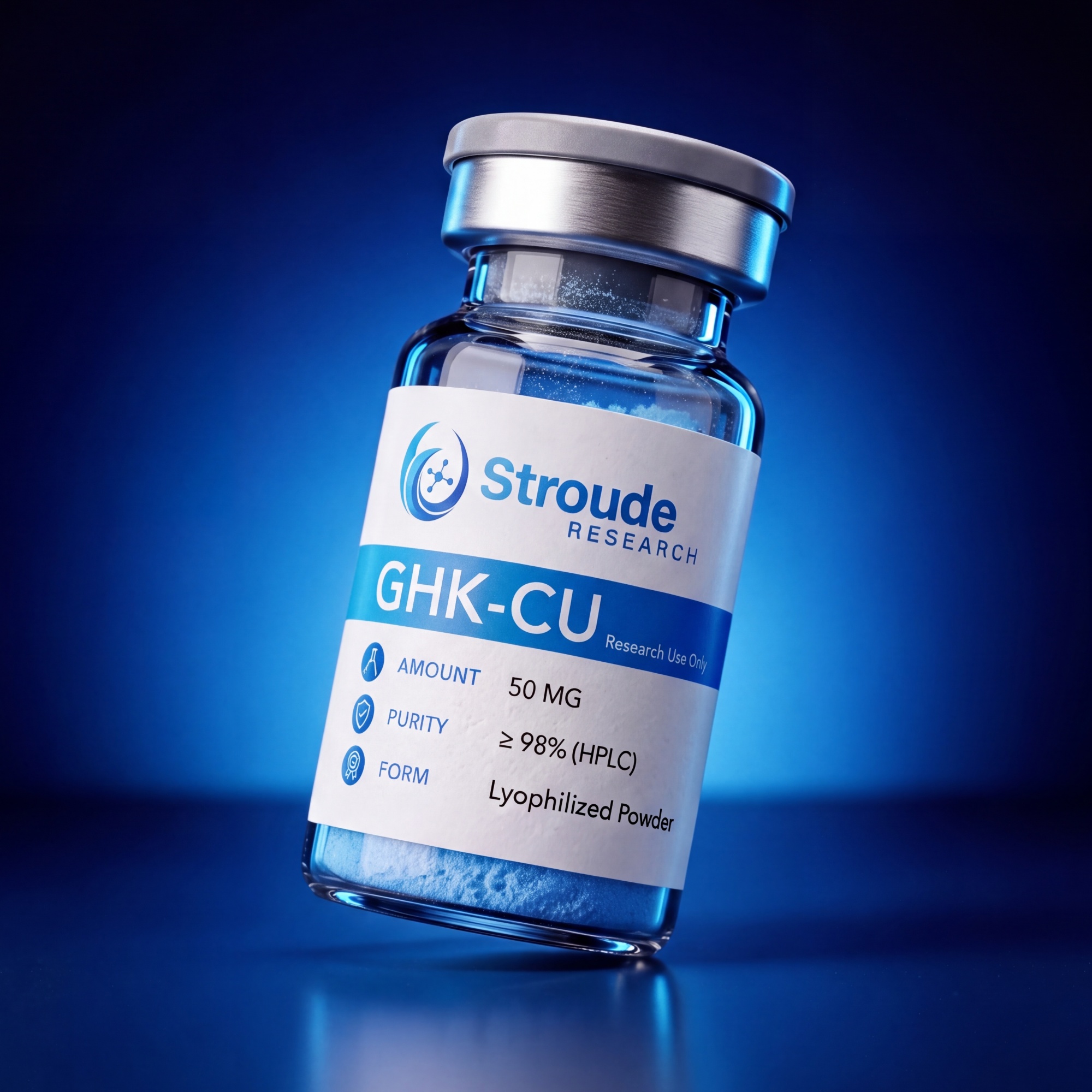
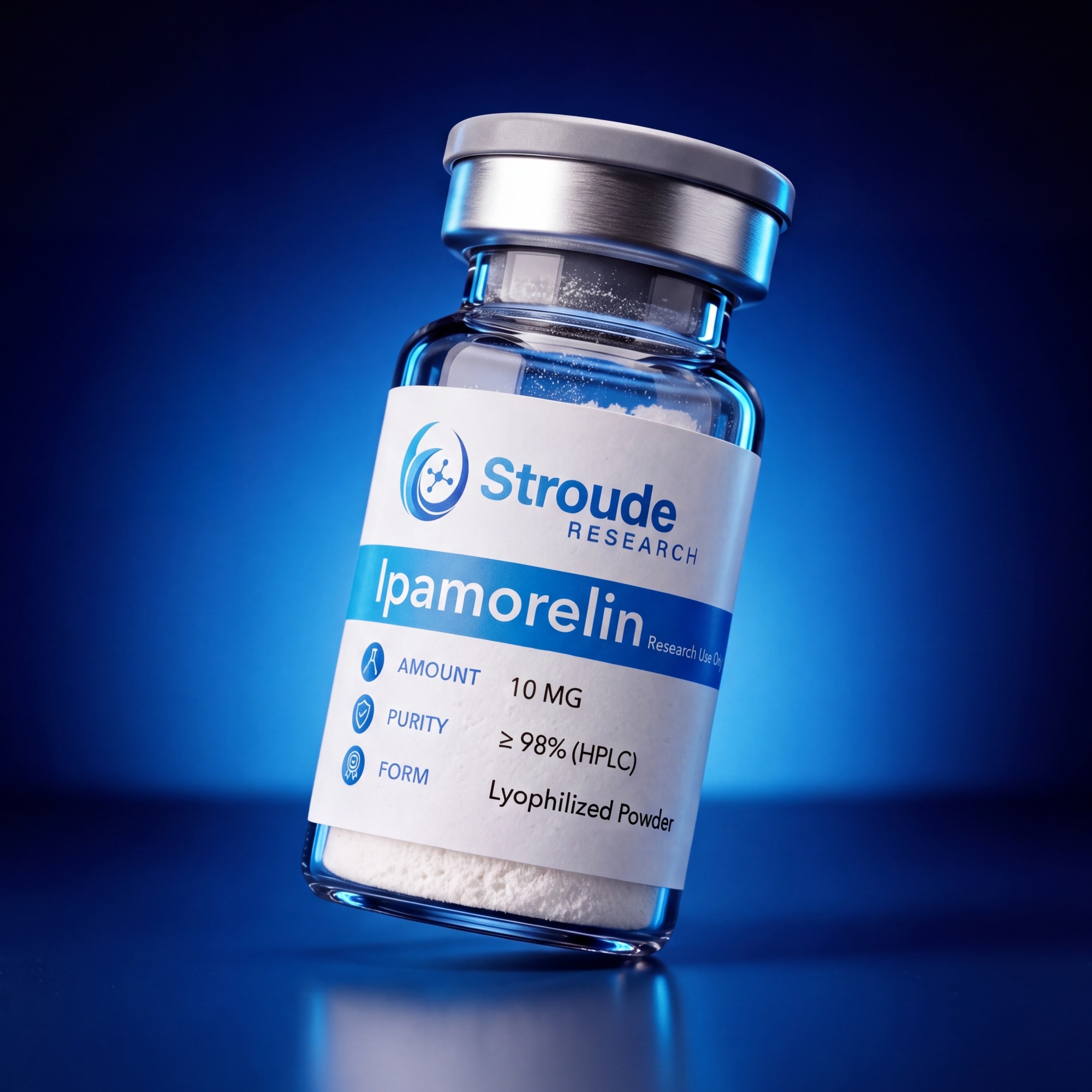
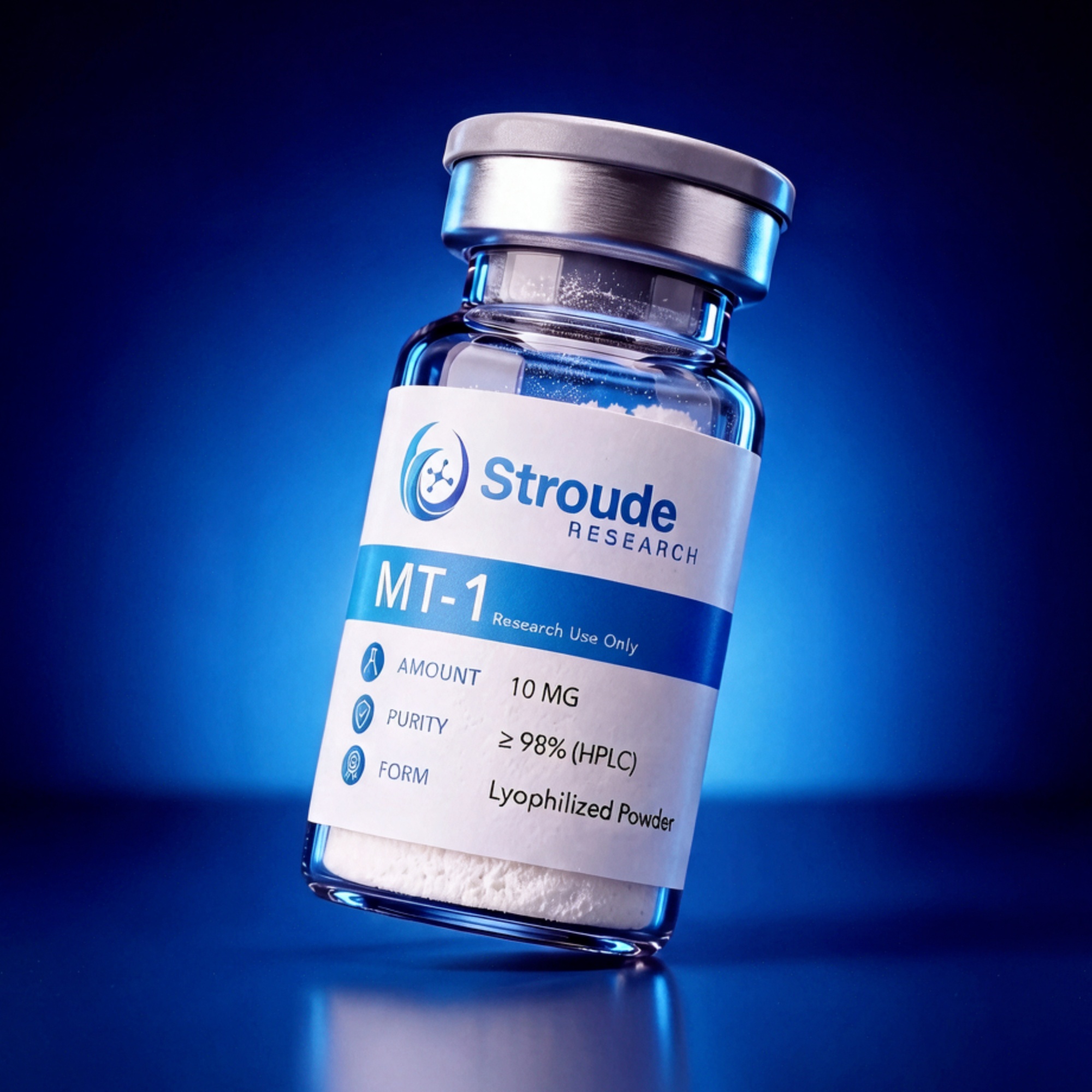
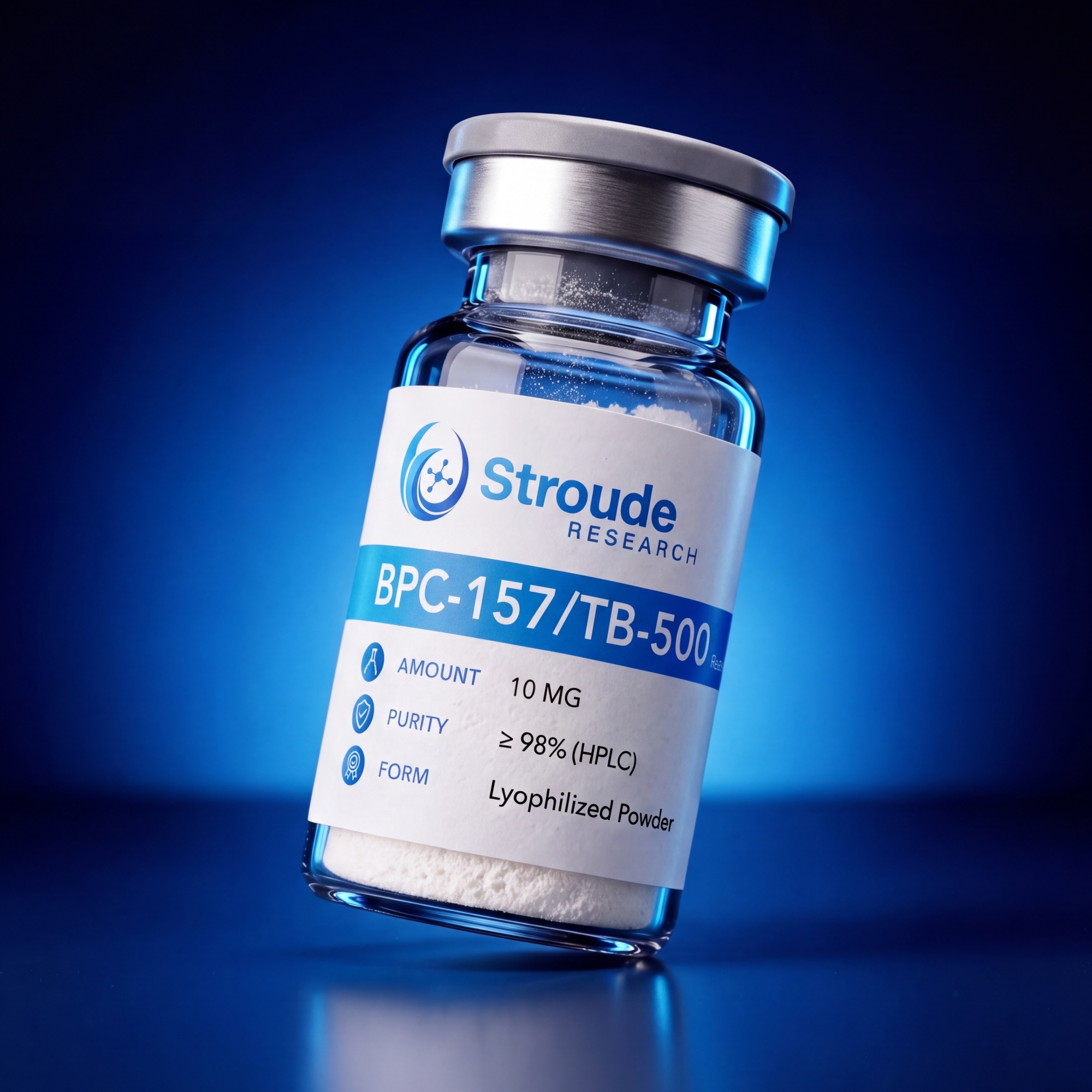
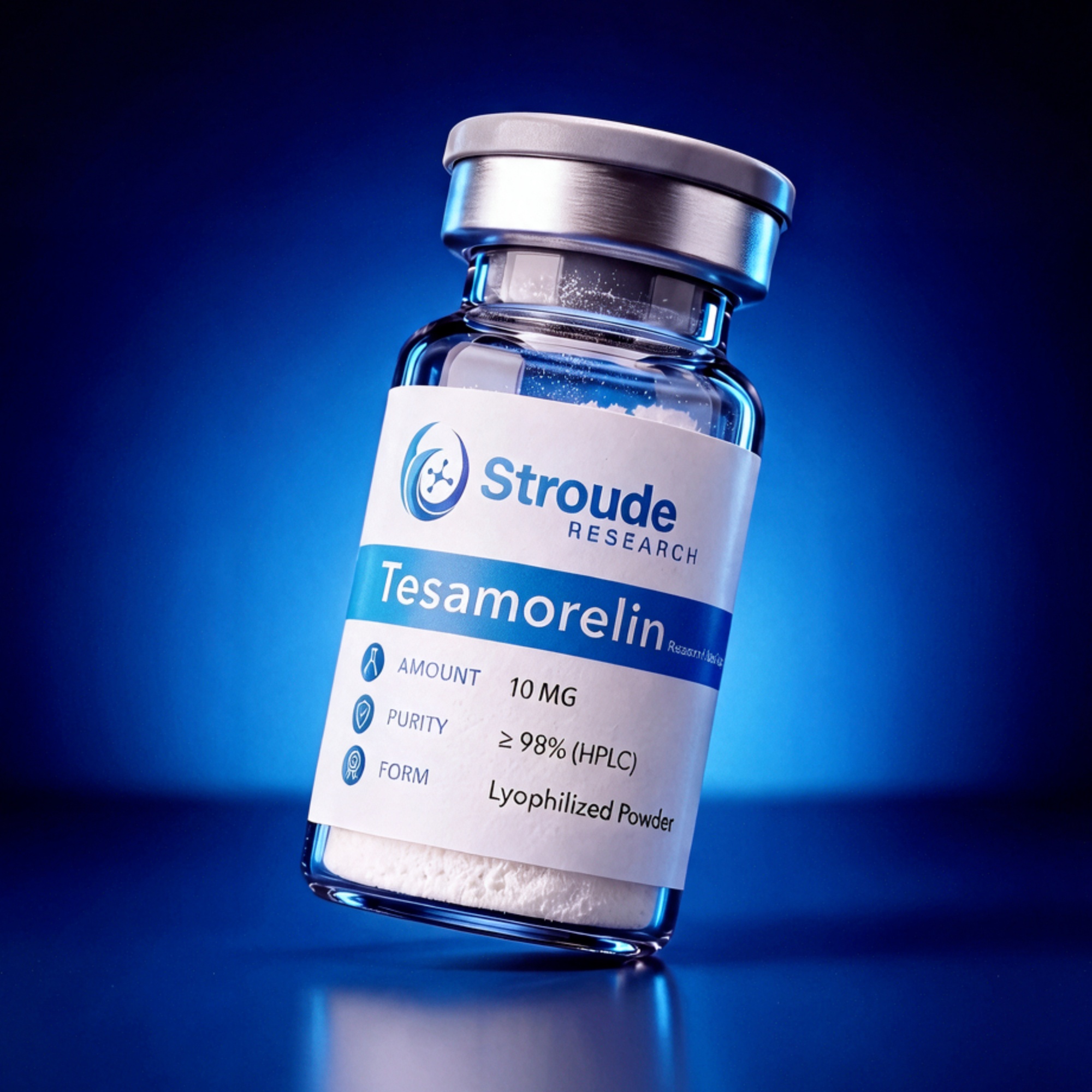
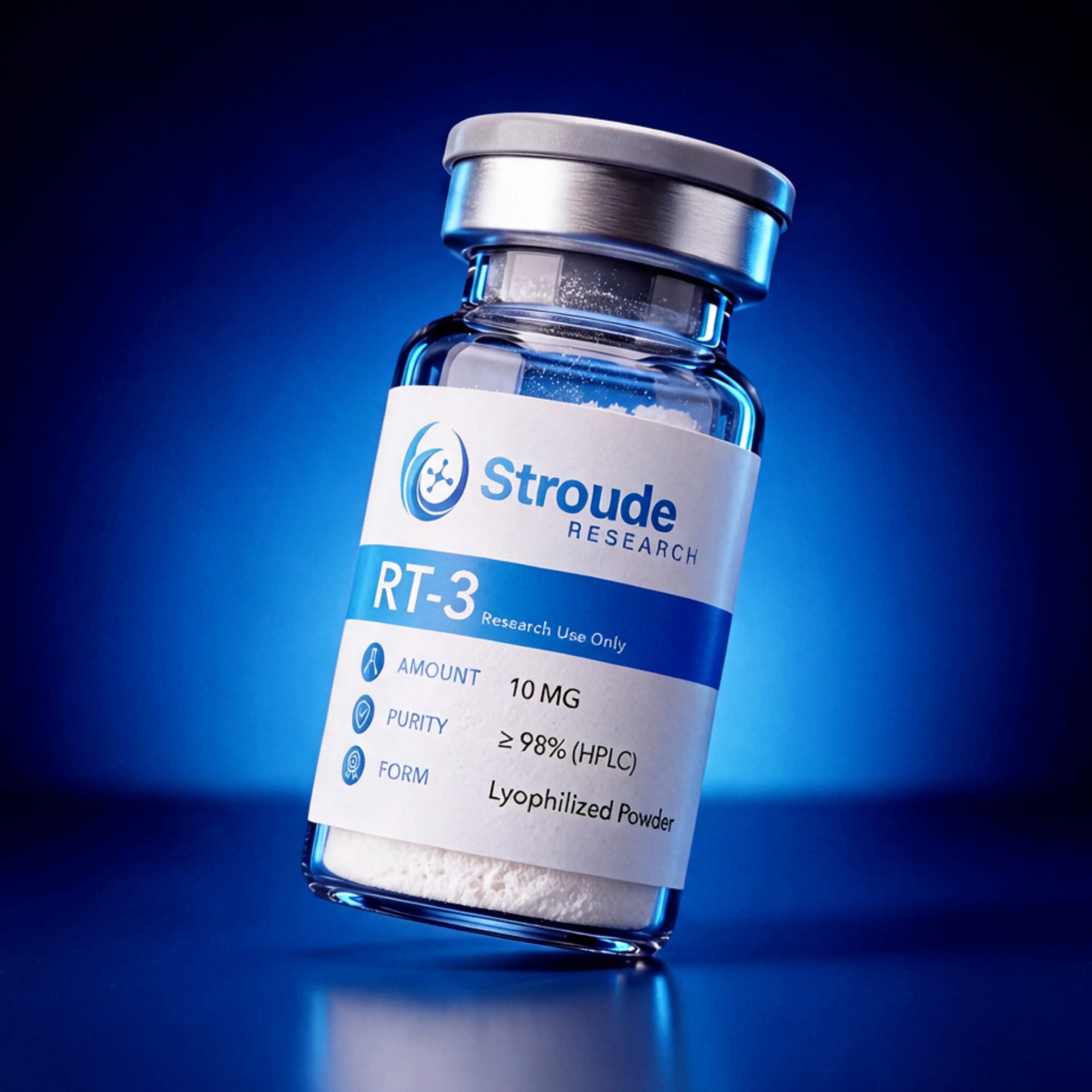
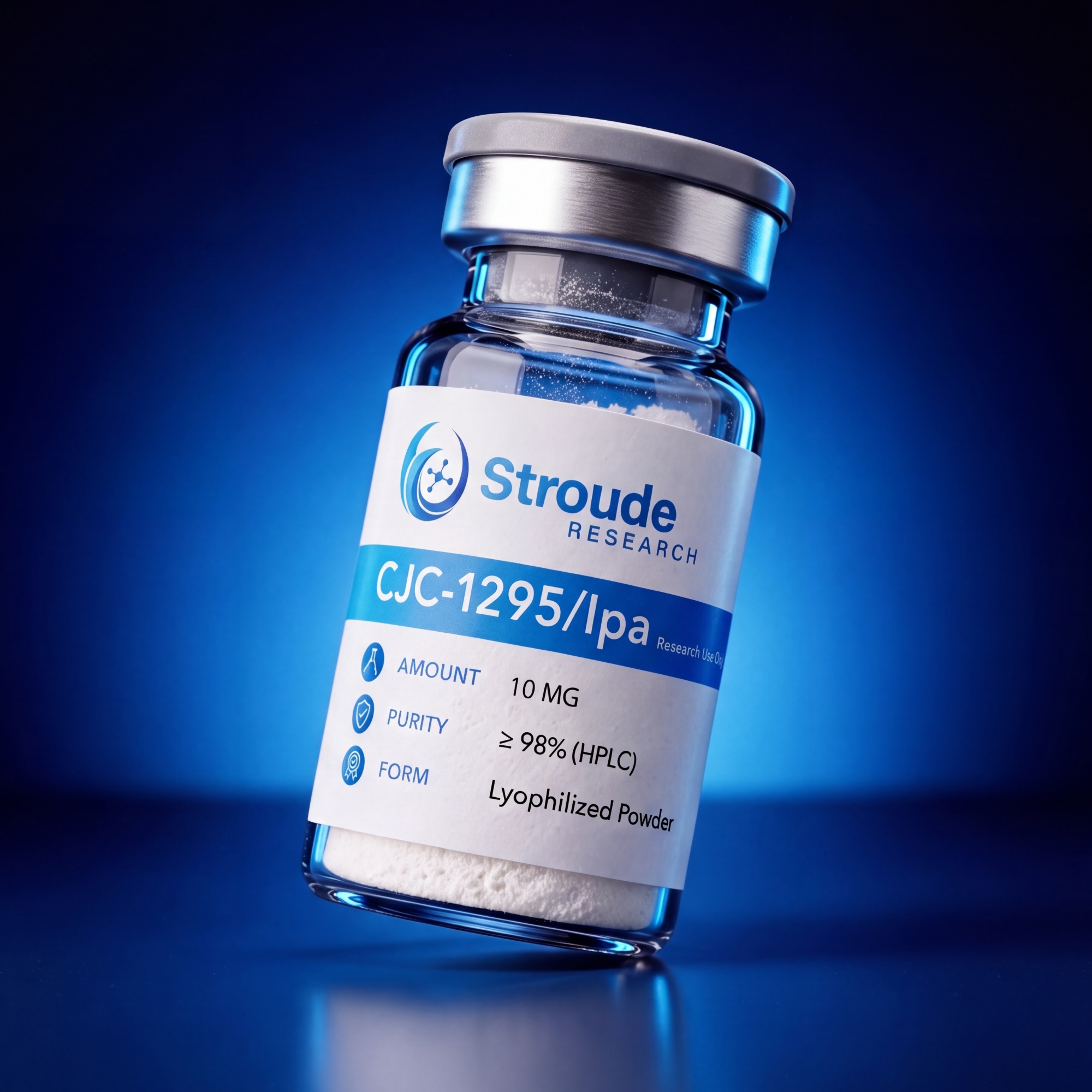
Examples of commonly studied research peptides include BPC-157, TB-500, GHK-Cu, Ipamorelin, CJC-1295 no DAC, Tesamorelin, Melanotan-1, and Retatrutide. Each peptide has a unique sequence, molecular weight, and research profile that makes it useful for different types of laboratory investigation.
Why Peptide Purity Matters
Purity is one of the most important factors when evaluating research peptides. Higher-purity compounds help reduce the presence of unwanted impurities that may interfere with research consistency, documentation, and repeatability.
Many laboratories look for research peptides with purity levels of ≥98%, especially when consistency and reproducibility are important. Peptide purity is commonly verified through analytical methods such as HPLC and mass spectrometry.
The Importance of COA Testing
A Certificate of Analysis, often called a COA, provides important documentation for a research compound. A proper COA may include purity percentage, molecular weight confirmation, batch or lot number, testing method, testing date, and laboratory information.
For researchers, COAs help provide transparency and support confidence in the materials being used for laboratory study. Clear product documentation is an important part of maintaining trust and consistency across a research compound catalog.
Common Laboratory Research Applications
Research peptides may be studied in a wide range of laboratory contexts, including peptide-receptor interaction studies, cell-culture models, formulation stability, peptide solubility, molecular signaling research, and analytical method development.
Some peptides are commonly referenced in research involving growth hormone secretagogue receptors, melanocortin receptor pathways, copper-peptide interactions, incretin receptor pathways, or thymosin beta-4-related peptide research. These areas of study are laboratory-based and should not be interpreted as medical, therapeutic, or consumer-use guidance.