RFK Jr.’s Peptide Announcement: What the 2026 FDA Review Means for Research Peptides
July 11, 2026By Stroude Research
Introduction: No, Peptides Did Not Suddenly Become Broadly Legal
If you have spent any time in peptide, compounding, or wellness-related discussions this year, you have probably seen a version of the same headline: “RFK Jr. made peptides legal,” “BPC-157 is back,” or “the FDA reversed its peptide ban.” The reality is more specific — and for researchers, that specificity matters.
What actually happened is this: Health and Human Services Secretary Robert F. Kennedy Jr. publicly discussed peptides in early 2026 and signaled that the FDA would move toward making certain peptides more accessible through lawful compounding channels. In April 2026, FDA-related updates followed around the removal of several peptides from Category 2, a category associated with bulk drug substances that may present significant safety risks. Then, the FDA scheduled a July 23–24, 2026 Pharmacy Compounding Advisory Committee meeting to discuss whether seven peptide-related bulk drug substances should be considered for inclusion on the 503A Bulks List (FDA PCAC Meeting Notice, 2026; Orrick, 2026).
None of that is the same as FDA approval. It is also not a blanket authorization for general consumer use, supplementation, disease claims, or human-consumption marketing. This article breaks down what changed, what did not change, which peptides are under review, and why analytical testing, purity verification, and lot-specific Certificates of Analysis remain essential in research settings.
What Did RFK Jr. Actually Say About Peptides?
On February 27, 2026, Secretary Kennedy appeared on The Joe Rogan Experience and discussed peptides that had been restricted under previous FDA compounding policy. Legal analysis from Orrick reported that Kennedy signaled the administration would take steps to make a group of peptides more accessible through lawful compounding channels, while also criticizing the prior movement of multiple peptides into Category 2 (Orrick, 2026).
Those comments drew major attention because they touched on a topic already surrounded by confusion: the difference between FDA-approved peptide drugs, pharmacy-compounded substances, and research-use-only materials. But a public policy statement is not the same as a final FDA rule. Regulatory changes still have to move through defined legal and administrative pathways.
What Actually Changed: The April 2026 Category 2 Removal
To understand the current discussion, it helps to understand Category 2. FDA’s Category 2 list includes bulk drug substances used in compounding that FDA has identified as potentially presenting significant safety risks during review of nominations for the 503A or 503B bulks lists ().
Research Use Only: This article is provided for educational and informational purposes only. All compounds discussed are intended strictly for laboratory and preclinical research. Nothing in this article constitutes medical advice or endorses human use of any compound.
Related Research Compounds
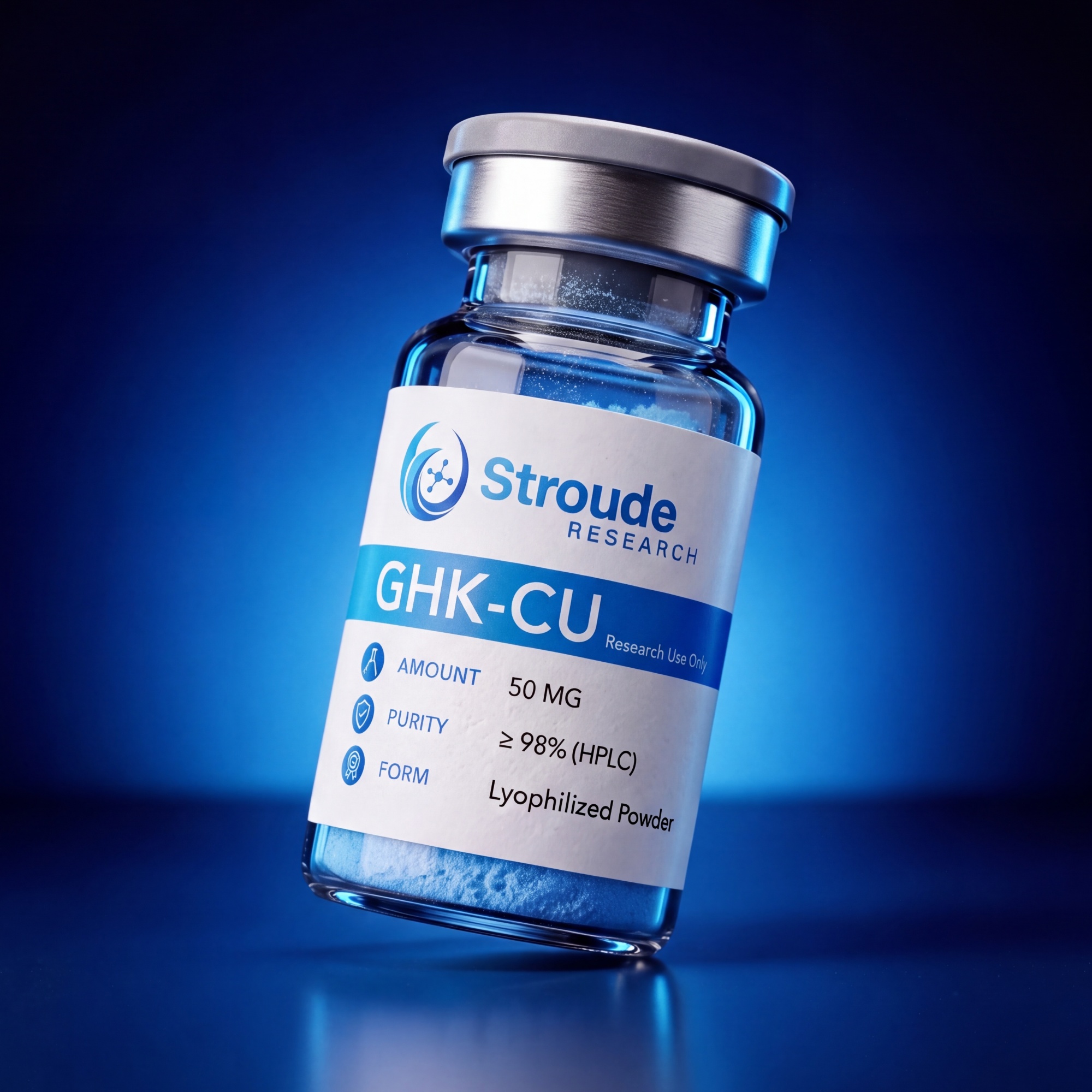
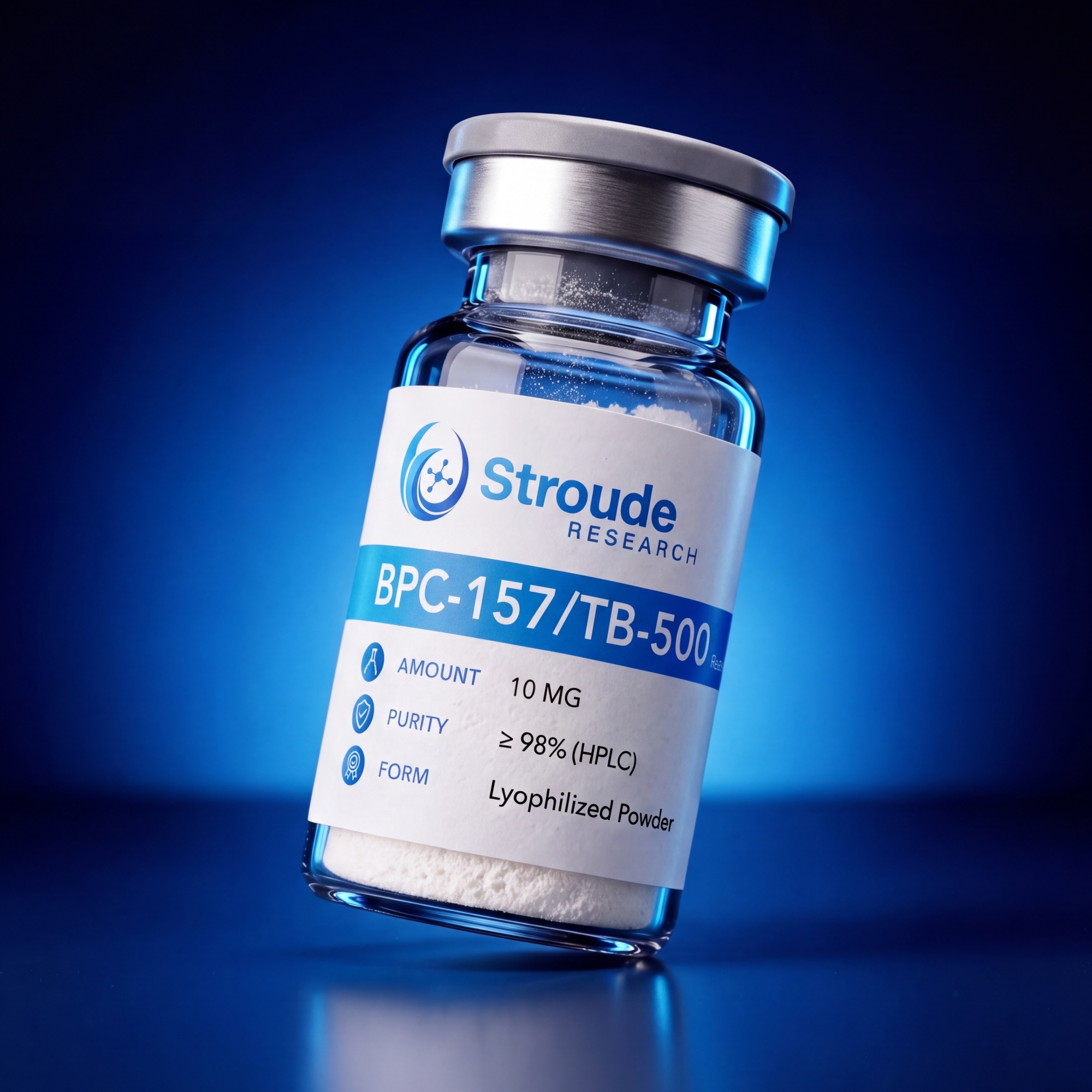
Products referenced or discussed in this article, available for research purposes.
In April 2026, the peptide landscape began to shift. FDA updated its bulk drug substances list after several peptide nominations were withdrawn, and legal commentary reported that 12 peptides were being removed from Category 2 on or around April 23, 2026 (Frier Levitt, 2026; Orrick, 2026).
Here is the key point: removal from Category 2 is not the same as being FDA-approved, and it is not the same as automatic eligibility for compounding. Coming off the “significant safety risks” category does not automatically place a peptide on the 503A Bulks List. Until the FDA completes the advisory committee process and takes final action, these peptides remain in a regulatory transition area: no longer listed the same way, but not broadly approved or cleared for unrestricted use.
The July 23–24, 2026 FDA PCAC Meeting Explained
The Pharmacy Compounding Advisory Committee, or PCAC, provides expert advice to the FDA on issues related to pharmacy compounding. FDA states that advisory committees make non-binding recommendations, meaning the FDA generally considers the advice but is not legally required to follow it (FDA PCAC Meeting Notice, 2026).
At the July 23–24, 2026 PCAC meeting, the committee is scheduled to discuss seven peptide-related bulk drug substances being considered for inclusion on the 503A Bulks List. The agenda is split across two days:
July 23, 2026: BPC-157-related bulk drug substances, KPV-related bulk drug substances, TB-500-related bulk drug substances, and MOTS-C-related bulk drug substances.
July 24, 2026: Emideltide / DSIP-related bulk drug substances, Semax-related bulk drug substances, and Epitalon-related bulk drug substances.
The FDA meeting page also identifies the reviewed use or uses associated with each nominated substance. These are the uses FDA reviewed in the context of the nomination process; they should not be interpreted as benefits, claims, approvals, or recommendations for human use (FDA PCAC Meeting Notice, 2026).
The Federal Register notice for the meeting lists docket number FDA-2025-N-6895 and states that comments are accepted through July 22, 2026. Anyone submitting comments should verify the current docket instructions directly through the FDA meeting page or Federal Register notice before filing, since agency pages can be updated over time (Federal Register, 2026; FDA PCAC Meeting Notice, 2026).
The Seven Peptides Under Review
The FDA’s July 2026 meeting materials identify the following peptide-related bulk drug substances and reviewed-use contexts:
BPC-157: reviewed in connection with ulcerative colitis.
KPV: reviewed in connection with wound healing and inflammatory conditions.
TB-500: reviewed in connection with wound healing.
MOTS-C: reviewed in connection with obesity and osteoporosis.
Emideltide / DSIP: reviewed in connection with opioid withdrawal, chronic insomnia, and narcolepsy.
Semax: reviewed in connection with cerebral ischemia, migraine, and trigeminal neuralgia.
Epitalon: reviewed in connection with insomnia.
These reviewed-use categories are part of the regulatory discussion around nominated bulk drug substances. They should not be used as product claims, human-use claims, dosing guidance, or therapeutic recommendations.
Why “Under Review” Is Not “FDA Approved”
The most common misconception around RFK Jr.’s peptide announcement is that “under review” means “approved.” It does not.
FDA-approved drugs go through a formal approval pathway involving safety, effectiveness, manufacturing quality, labeling, and intended-use review. Compounded drugs are different. FDA states that compounded drugs are not FDA-approved and that the agency does not verify the safety, effectiveness, or quality of compounded drugs before they are marketed (FDA Compounding Q&A).
A helpful way to understand the confusion is to separate the peptide market into three broad categories:
FDA-approved peptide drugs: products that have gone through formal FDA drug approval pathways.
Pharmacy-compounded substances: substances that may be compounded only when specific legal requirements are met.
Research-use-only peptides: materials intended for laboratory research, not for human consumption, medical use, or therapeutic application.
Conflating those categories creates inaccurate claims. A peptide being discussed by PCAC does not mean it is FDA-approved. A peptide being removed from Category 2 does not mean it is automatically compoundable. And a research-use-only material should not be marketed as a drug, supplement, treatment, or consumer-use product.
Why Quality Control Matters More Than Ever
As public interest increases, quality control becomes more important, not less. FDA has identified potential concerns around certain bulk drug substances, including immunogenicity, peptide-related impurities, aggregation, limited safety-related information, and active pharmaceutical ingredient characterization challenges (FDA Category 2 Bulk Substances).
For research-grade materials outside approved drug pathways, verification depends heavily on analytical documentation, supplier transparency, and lot-specific testing.
That is why a label alone is never enough. In a research setting, the meaningful quality signals are analytical: HPLC purity testing, mass spectrometry identity confirmation, lot traceability, and a lot-specific Certificate of Analysis.
A proper COA documents what was tested, which methods were used, and whether the material matches its expected identity and purity profile. In controlled laboratory settings, that documentation supports reproducibility and helps reduce uncertainty between experimental batches.
What This Means for Research Peptide Suppliers
The RFK Jr. peptide discussion has increased attention around peptides such as BPC-157, TB-500, KPV, MOTS-C, GHK-Cu, CJC-1295, Ipamorelin, and other research compounds. That attention creates SEO opportunity, but it does not create permission to make medical claims.
For research peptide suppliers, the responsible approach is to keep the conversation focused on laboratory research and analytical transparency. That means emphasizing:
Research-use-only positioning
Clear product naming and labeling
Third-party analytical testing
Lot-specific COA availability
Traceable batch documentation
No human-consumption claims
No dosing, treatment, or disease claims
This type of positioning keeps the focus on material quality, laboratory use, and documentation rather than unsupported therapeutic promotion.
Frequently Asked Questions
Did RFK Jr. make peptides legal?
No. RFK Jr.’s comments brought attention to peptide access and compounding policy, but they did not create broad legal approval. The actual regulatory process involves FDA list updates, PCAC review, public comment, and any later FDA action.
Are BPC-157, TB-500, KPV, and MOTS-C FDA-approved now?
No. Being reviewed by PCAC is not the same as FDA approval. FDA approval requires a separate drug approval process. The July 2026 PCAC meeting concerns whether certain peptide-related bulk drug substances should be considered for inclusion on the 503A Bulks List.
Which peptides is FDA reviewing in July 2026?
The FDA is scheduled to discuss BPC-157, KPV, TB-500, and MOTS-C on July 23, 2026. On July 24, 2026, the committee is scheduled to discuss Emideltide / DSIP, Semax, and Epitalon.
What is the 503A Bulks List?
The 503A Bulks List is the list of bulk drug substances that may be used in pharmacy compounding under Section 503A when applicable legal conditions are met. Inclusion on the list is not the same as FDA drug approval.
Does a favorable PCAC vote immediately allow compounding?
Not automatically. PCAC recommendations are advisory and non-binding. FDA considers the committee’s recommendations but must still take any final action through the appropriate regulatory process.
Why does this matter for research peptides?
More public attention often brings more confusion. For research peptides, the key priorities remain verified purity, analytical confirmation, lot traceability, and responsible research-use-only communication.
Conclusion
RFK Jr.’s peptide announcement helped move peptides into a broader national conversation, but the details matter. The current issue is not broad FDA approval. It is a specific regulatory review involving certain peptide-related bulk drug substances, their prior Category 2 status, and whether some should be considered for 503A compounding eligibility.
For research environments, the takeaway is straightforward: regulatory attention does not reduce the need for quality verification. If anything, it increases the importance of third-party testing, lot-specific COAs, analytical confirmation, and careful research-use-only communication.
Disclaimer: This article is for educational and research-information purposes only. Stroude Research products are intended for laboratory research use only. Not for human consumption, medical use, diagnostic use, or therapeutic application.
References
FDA. July 23–24, 2026 Meeting of the Pharmacy Compounding Advisory Committee. View source
Federal Register. Pharmacy Compounding Advisory Committee; Notice of Meeting; Establishment of a Public Docket; Request for Comments. View source
FDA. Compounding and the FDA: Questions and Answers. View source
FDA. Certain Bulk Drug Substances for Use in Compounding That May Present Significant Safety Risks. View source
Orrick. FDA Announces Removal of 12 Peptides From Category 2 and Schedules PCAC Meetings. View source
Frier Levitt. FDA to Remove 12 Popular Peptides From the Category 2 “Do Not Compound” List. View source